


Hypoallergenic Bedding India — What to Buy if You Have Sensitive Skin
If you wake up with itchy skin, a stuffy nose, or unexplained redness, your bedsheet is a more likely culprit than you think.
Most people blame the weather, their diet, or stress — but the fabric you sleep against for seven to eight hours every night can quietly trigger skin reactions, respiratory irritation, and disrupted sleep. The chemical journey of a conventional bedsheet — from pesticide-intensive cotton farm through multiple chemical finishing stages to your bedroom — is almost entirely invisible to the consumer. The effects are not.
Hypoallergenic bedding has become one of the most searched bedding categories in India. It is also one of the most misunderstood. Here is what the term actually means, what to look for, and what is genuinely worth buying.
What Does Hypoallergenic Bedding Actually Mean?
Hypoallergenic is not a regulated term in India or most countries. Any brand can print it on packaging without independent verification. It simply means the product is less likely to cause an allergic reaction — but it tells you nothing about why, or whether any chemicals have actually been tested or removed.
The only meaningful guarantee is third-party certification. Here is what each covers:
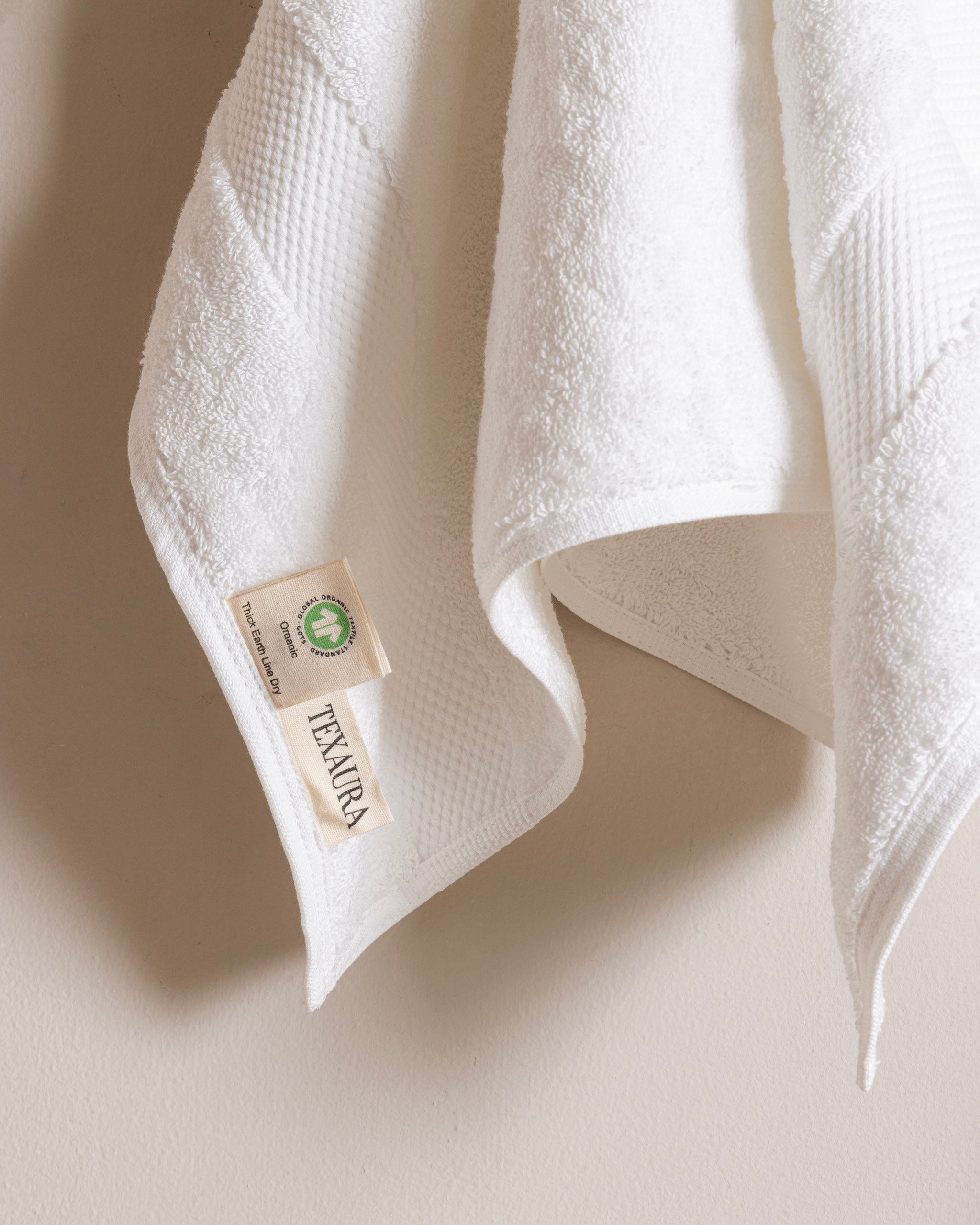
- GOTS — Global Organic Textile Standard — the most rigorous certification available. Covers the entire production chain from cotton farming through dyeing and finishing. No synthetic pesticides, no AZO dyes, no formaldehyde. Independently audited, not self-declared
- OEKO-TEX Standard 100 — tests for harmful substances in the finished textile. A useful standard, but does not cover farming practices — only what remains in the finished product
- Fair Trade Certified — ensures ethical production and fair wages, but is not specifically a skin-safety or chemical-safety marker
A sheet labelled hypoallergenic from a mass-market brand may still contain chemical finishes applied after weaving. A GOTS-certified sheet eliminates harmful chemicals at every stage of production — from the field to the finished fabric.
What in Your Bedsheet Is Actually Irritating Your Skin?
Most conventional bedsheets — including many positioned as premium — go through extensive chemical treatment before they reach you. These are the most common offenders:
- Formaldehyde-based finishing agents — applied to prevent wrinkling. A documented skin and respiratory irritant, classified as a probable carcinogen by the International Agency for Research on Cancer. Particularly common in sheets marketed as wrinkle-free or easy-care
- AZO dyes — synthetic colour agents used widely in coloured and printed bedding. Certain AZO dyes can release aromatic amines — compounds with carcinogenic potential — on contact with skin, particularly in warm, moist conditions
- Optical brighteners — chemical whitening agents that make white sheets appear brighter under UV light. Invisible to the eye but reactive on sensitive skin, particularly for those with contact dermatitis or photosensitivity
- Silicone-based softeners — applied to create the appealing soft feel in-store. These wash out within a few laundry cycles, leaving behind a residue that clogs fabric fibres, reduces breathability, and progressively worsens the handfeel of the sheet
- Pesticide residues — conventional cotton accounts for approximately 16% of global insecticide use despite covering less than 3% of agricultural land, according to the Pesticide Action Network. Traces of these compounds can persist in finished fabric through multiple wash cycles and are absorbed through sustained skin contact
For people with eczema, contact dermatitis, dust mite allergies, or simply reactive skin — any of these can be a nightly, unidentified trigger. The difficulty is that the exposure is so constant and so normalised that most people never connect their skin symptoms to their bedding.

What to Look for When Buying Hypoallergenic Bedding in India
A practical checklist before purchasing:
- GOTS certification with a verifiable certificate number — ask for the number, not just the claim on the label. GOTS maintains a public database at global-standard.org where any certificate can be independently verified
- Long-staple cotton — produces a smoother, tighter weave that naturally resists dust mite accumulation and requires no chemical softening to achieve comfortable handfeel
- No wrinkle-free or easy-care labels — these almost always indicate formaldehyde-based finishing treatment. A sheet that genuinely does not need ironing achieves this through weave quality, not chemistry
- Unbleached or peroxide-bleached — chlorine bleaching is harsh and leaves residues. Look for peroxide-bleached or naturally undyed options where whiteness is a priority
- Transparent brand — brands genuinely committed to chemical-free production will be open about their certifications, suppliers, and production processes. Vague sustainability language without verifiable credentials is a reliable warning sign
You can read more about what these distinctions mean in practice in our detailed guide to why 100% cotton is not the same as 100% organic cotton.
The Skin Connection — Why Freshly Washed Skin Is Most Vulnerable
The timing of skin contact with bedding chemicals is worth understanding. When you shower before bed — as most people do — the warm water dilates blood vessels and temporarily reduces the skin's barrier function. The skin is more permeable immediately after washing than at almost any other point in the day.
This is the moment at which the chemical environment of your bedding matters most. Sliding into sheets treated with optical brighteners, formaldehyde finishing agents, and silicone softeners immediately after a shower means placing those compounds against skin that is maximally receptive to absorption.
GOTS-certified organic cotton eliminates this exposure entirely — not by filtering or reducing chemical content, but by removing the chemicals from the production process before they ever reach the fabric.
Don't Forget — Your Towel Touches Your Skin Too
Sensitive skin reactions are rarely isolated to bedsheets. Most conventional towels use identical chemical finishing processes — silicone softeners, optical brighteners, and AZO dyes applied at the same production stages. And towels contact the skin at an even more vulnerable moment — immediately after bathing, when pores are open and the skin barrier is temporarily reduced.
If your skin reacts to your bedding, switching to organic cotton towels is the next logical step. Our piece on why organic towels matter covers the full picture — including what conventional towels contain and what genuinely changes with certified organic alternatives.
How to Care for Hypoallergenic Bedding
GOTS-certified organic bedding is low-maintenance, but specific care practices will preserve its chemical-free properties and extend its lifespan:
- Wash at 30–40°C — lower temperatures preserve fibre integrity and reduce the energy consumption of each wash cycle. Organic cotton does not require high temperatures to clean effectively
- Use fragrance-free, enzyme-free detergent — synthetic fragrances are among the most common contact allergens. Enzyme-based detergents, while effective cleaners, can also trigger reactions in sensitive skin. A simple, unfragranced liquid detergent is ideal
- Skip fabric softener entirely — it coats cotton fibres with a silicone residue that reduces breathability, decreases absorbency, and prevents the natural softening that long-staple organic cotton undergoes with every wash. The sheet softens on its own — fabric softener actively interferes with this process
- Dry in shade where possible — direct sunlight can degrade organic cotton fibres over time and cause colour fading in naturally dyed fabrics. A shaded line or a low tumble dry setting is preferable
- Wash before first use — even certified organic sheets benefit from one wash before sleeping on them. This removes any residual natural cotton oils from the fibre and allows it to reach its full softness and absorbency from the first night
The Bottom Line
Hypoallergenic is a marketing term. GOTS certification is a verified standard. If you or anyone in your household has sensitive skin, eczema, respiratory allergies, or simply wakes up regularly with unexplained irritation — the gap between those two things is worth understanding before your next bedding purchase.
Organic long-staple cotton, certified to GOTS standard, free from AZO dyes, formaldehyde treatments, and optical brighteners — is the most straightforward, most verifiable answer to the question of what genuinely hypoallergenic bedding looks like.
It also happens to be softer, more breathable, and more durable than the conventional alternatives. The best choice for sensitive skin is, in this case, simply the best choice.
Texaura's GOTS-certified organic cotton bedding is designed for people who care about what touches their skin every night — chemical-free, long-lasting, and made in Jaipur by skilled artisans. Explore the full Texaura collection and read more about how your bed linen might be affecting your sleep.

Written by Texaura India