


Struggling with Sleep? Your Bed Linen Might Be the Problem
You have tried the meditation, the herbal teas, the early nights. But if your bed linen is working against your body, none of it will be enough.
While stress, lifestyle, and screen time are the usual suspects when sleep suffers, your bedding is rarely considered — despite being in direct contact with your skin for seven to nine hours every night. The fabric you sleep on affects your comfort, your body temperature, and your skin in ways that are subtle enough to go unnoticed and significant enough to disrupt your rest.
A Small Change, A Significant Difference
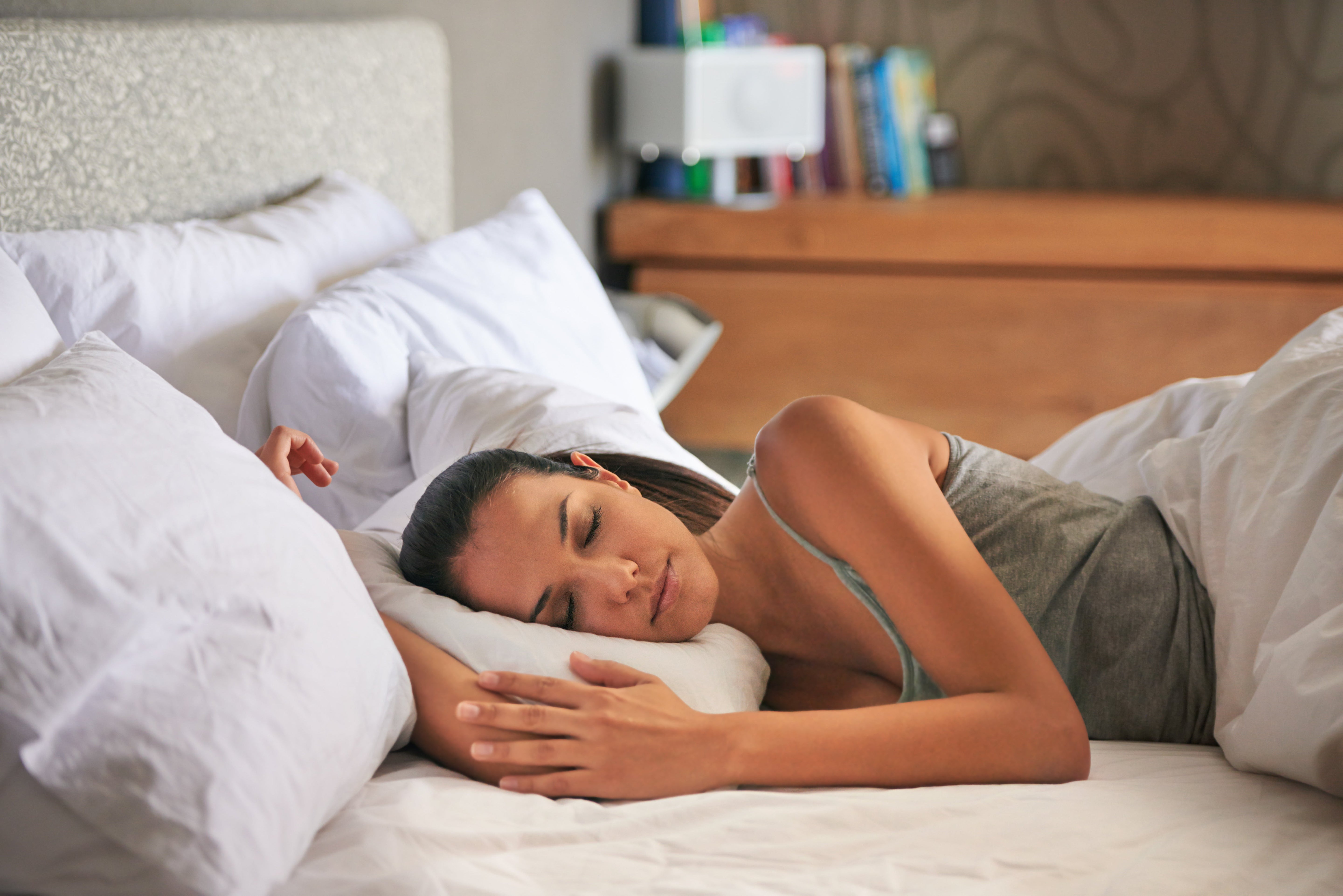
A friend once shared her experience with persistent insomnia. She had tried everything — meditation apps, herbal supplements, expensive sleep aids, strict wind-down routines. Nothing worked consistently. On a quiet recommendation, she switched her synthetic sheets to organic cotton bedding. The first night, she noticed something had shifted. Her body felt cooler, the fabric gentler against her skin, and for the first time in months, she woke up feeling genuinely refreshed.
One change. One variable. The difference was real.
It is not a dramatic story. But it is a common one — and it points to something worth understanding.
The Hidden Impact of Bed Linen on Sleep
Most people assume that a high thread count signals better quality sheets. It does not. The breathability and softness of bedding depend far more on fibre quality and weave construction than on the number of threads packed into a square inch.
Synthetic fabrics — and even conventionally produced cotton treated with chemical finishes — may feel smooth initially. But they trap heat, reduce airflow, and can leave residues against your skin that cause low-level irritation through the night. None of this is dramatic enough to wake you fully. But it is enough to keep you in lighter, less restorative stages of sleep without you ever identifying why.
Your body naturally lowers its core temperature as it transitions into deep sleep. Anything that interferes with that process — including a fabric that traps heat — quietly undermines the quality of your rest. We cover the science of this in more detail in our piece on why your bedsheets could be the missing link to better sleep.
Signs Your Bed Linen Might Be Hurting Your Sleep
If you recognise any of the following, it may be worth looking at your bedding before anything else:
- Waking up feeling hot and sweaty despite a comfortable room temperature
- Skin irritation, redness, or itchiness after a night's sleep
- Feeling restless and uncomfortable despite genuine tiredness
- Bedding that feels rough or stiff, even after repeated washing
- Sheets that lose softness and begin to pill within months of purchase
- Unexplained mild allergies or congestion that improve when you are away from home
None of these are conclusive on their own. But taken together, they point toward a sleep environment that is not fully supporting your body — and bedding is one of the most practical variables to address first.
How the Right Bed Linen Improves Sleep Quality
Switching to high-quality organic cotton bedding addresses most of these issues at the source:
- Breathability and temperature regulation — organic cotton fibres allow air to circulate freely, preventing the heat build-up that causes micro-awakenings through the night
- Gentler on skin — chemical-free, natural fibres carry no pesticide residues or synthetic finishing agents, reducing the risk of irritation and allergic response
- Genuine softness — the right weave and fibre quality produce a softness that deepens with every wash, rather than diminishing as synthetic finishes break down
- Hypoallergenic properties — organic cotton is naturally less hospitable to dust mites and common allergens, making it a meaningful choice for sensitive sleepers
- Durability — high-quality organic sheets maintain their structure and softness for years, unlike synthetic blends that degrade quickly and need replacing more often
Making the Switch: What to Look For
Upgrading your bedding does not have to be complicated. A few clear principles make the decision straightforward:
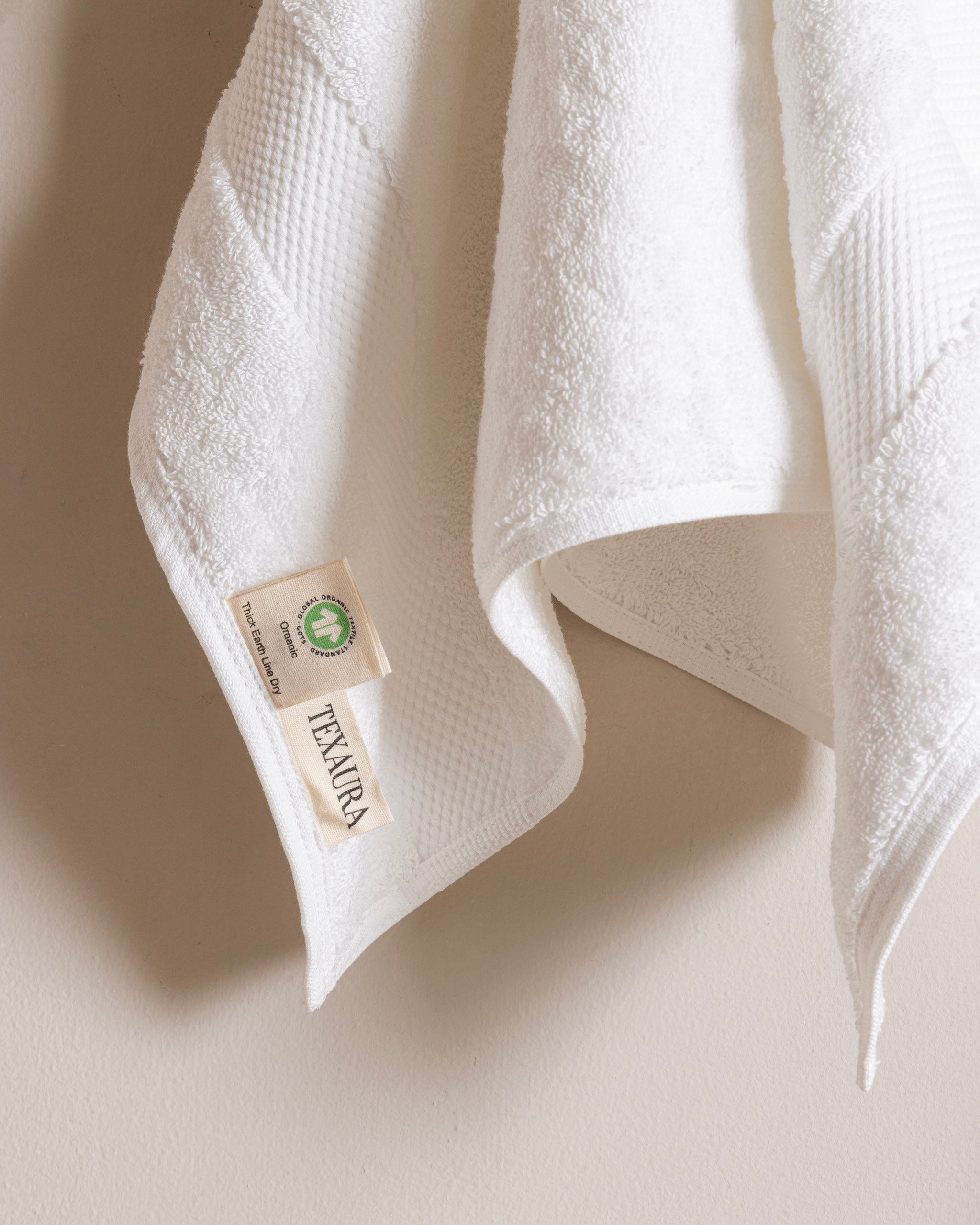
- Choose GOTS-certified organic cotton — the certification covers the full supply chain and is independently verified, so the claim is trustworthy. Read our guide on what separates organic cotton from conventional cotton
- Consider the weave — percale for a crisp, cool feel; sateen for a smoother, slightly warmer drape. Both work well in Indian climates, depending on the season
- Prioritise fibre quality over thread count — a 300-TC sheet made from long-staple organic cotton will outperform a 1000-TC sheet made from inferior multi-ply yarn on every measure that matters. Our piece on the thread count myth explains why
- Wash with care — cold water, gentle detergent, no fabric softeners. Organic cotton maintains its integrity far longer with simple, chemical-free care
- Think about the full sleep environment — bedding works alongside room temperature, light, and noise levels. If you have addressed those variables and sleep is still suffering, the sheets are worth examining
At Texaura
We created Texaura on a simple conviction — that something as everyday as your bedsheet can meaningfully change how you rest. Our organic cotton flat sheets are woven from GOTS-certified long-staple cotton in a breathable sateen weave, designed specifically for the way India's climate affects sleep. No chemical finishes. No synthetic treatments. Nothing that does not belong next to your skin for eight hours a night.
Quality sleep rarely comes from one dramatic change. It comes from getting the environment right — and bedding is one of the most direct, most practical levers available to you.
Explore Texaura's organic bedding collection and read more about why sleep wellness is the defining luxury of our time.

Written by Texaura India