


Why Your Bedsheets Could Be the Missing Link to Better Sleep
It is 2:17 a.m. You have tossed, turned, adjusted your pillow twice, and pushed the blanket away — only to pull it back moments later.
You tell yourself it is stress. Or maybe too much screen time. But what if the real culprit is the fabric touching your skin?
Your bedsheets are more than decoration. For eight hours a night — over 2,500 hours a year — they are your closest environment, influencing your body temperature, skin comfort, and even your brain's ability to switch off.
The Science of Sleep Starts with Skin
When you drift into sleep, your body goes through a process called thermoregulation — lowering your core temperature by approximately 1°C. This temperature drop signals the brain to enter deeper, more restorative stages of sleep. Disrupt it, and you disrupt everything downstream.
Here is where fabric plays a direct role:
- Breathability — organic cotton fibres allow air to circulate freely, preventing the heat build-up that causes micro-awakenings through the night
- Moisture control — natural fibres wick away excess perspiration, keeping you dry without trapping humidity against the skin
- Hypoallergenic properties — free from synthetic chemicals, organic cotton reduces the risk of skin irritation and allergic responses that silently fragment sleep
A study published in Nature and Science of Sleep identifies temperature discomfort and skin irritation as two of the most common disruptors of deep sleep — precisely the areas where natural, breathable fabrics make their greatest difference.
The Power of Touch and the Brain
Touch is the first sense we develop and remains one of the most direct pathways to relaxation. When the skin receives smooth, chemical-free contact, it sends calming signals to the brain's limbic system — the region that governs emotion, stress response, and the transition from wakefulness to rest.
The difference is subtle but cumulative:
- Rough or synthetic sheets send micro-signals of discomfort that keep the nervous system in a low-level alert state — never fully releasing into rest
- Soft, organic cotton sheets provide a gentle, consistent cue to release tension — the kind of tactile permission the body needs to drift into restorative sleep
This is not a small distinction. Over weeks and months, the cumulative effect of sleeping on the wrong fabric can meaningfully erode the quality of your rest — without you ever identifying the cause.
Why Organic Beats Conventional Cotton
All cotton breathes. But not all cotton is equal in what it carries.
Conventional cotton is often treated with pesticides during cultivation and subjected to chemical finishing processes — whitening agents, wrinkle-resistant coatings, colour fixatives — that leave residues in the fabric. These residues sit against your skin for hours each night. Over time, they can cause dryness, itching, and mild inflammation that quietly disrupts sleep without any obvious explanation.
Organic cotton is grown without synthetic pesticides and finished without harsh chemical treatments. The fibres remain naturally soft, strong, and genuinely skin-friendly — nothing added that does not belong there. What you feel is the cotton itself, in its most honest form.
The difference compounds with washing. Conventional cotton tends to stiffen over time as chemical coatings break down unevenly. Organic cotton softens — becoming more comfortable the longer it is in your life.
A Different Kind of Luxury
Luxury in bedding is not thread count. It is not a high-gloss finish or a recognisable logo on the packaging.
Real luxury is knowing what is not in your sheets. No pesticide residues. No synthetic coatings. No formaldehyde-based wrinkle treatments. When you slip into organic cotton sateen sheets, you are wrapping yourself in a fabric that has earned its softness through fibre quality alone — and that continues to earn it wash after wash.
That is a different kind of confidence. And it is one you feel every night.
The Story Your Sheets Tell
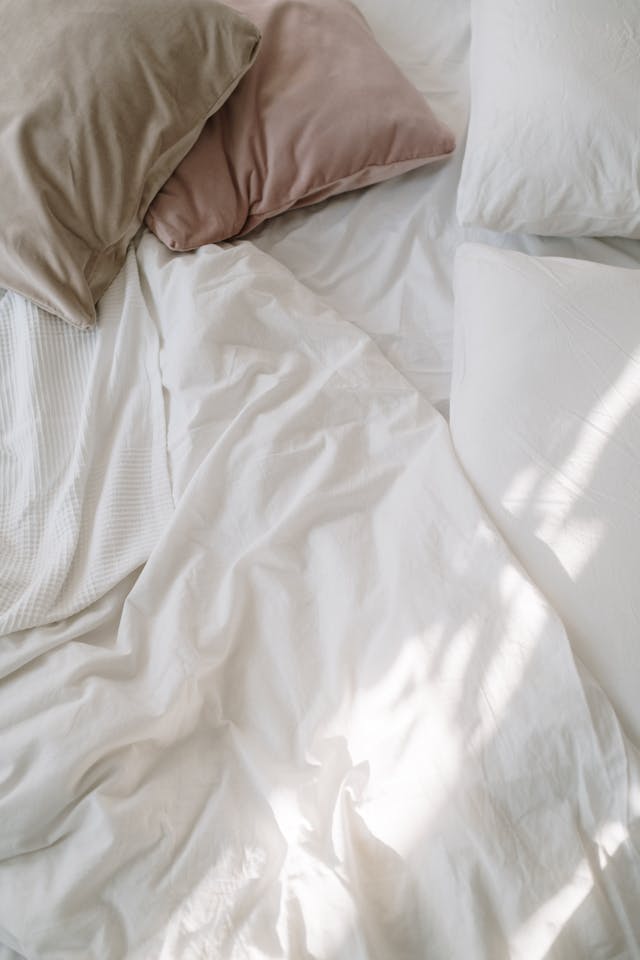
You have just had the longest day. You step into your bedroom, where soft light settles across a neatly made bed. You pull back the covers and feel a cool, smooth sheet against your skin — the fabric draping like water over your body. Your breathing slows. The day's noise fades. Sleep comes not as a struggle, but as an invitation.
This is the quiet magic of the right bed linen. It does not just help you sleep — it changes how you sleep. The depth of it. The ease of it. The way you feel when you wake.

How Breathable Bed Linen Supports Deep Sleep
Switching to organic cotton sheets is not about chasing wellness trends. It is about giving your body the environment it needs to rest deeply and wake restored.
Your mattress gets replaced every decade. Your pillow, every few years. But your sheets — the layer your skin is in direct contact with for a third of your life — deserve the same level of consideration. Often more.
It is one of the smallest upgrades you can make to your daily life. The returns are felt every single morning.
Where to Start
If you are ready to take your sleep environment seriously, begin with the layer closest to your skin. One set of well-chosen organic cotton sheets will tell you more than any article can.
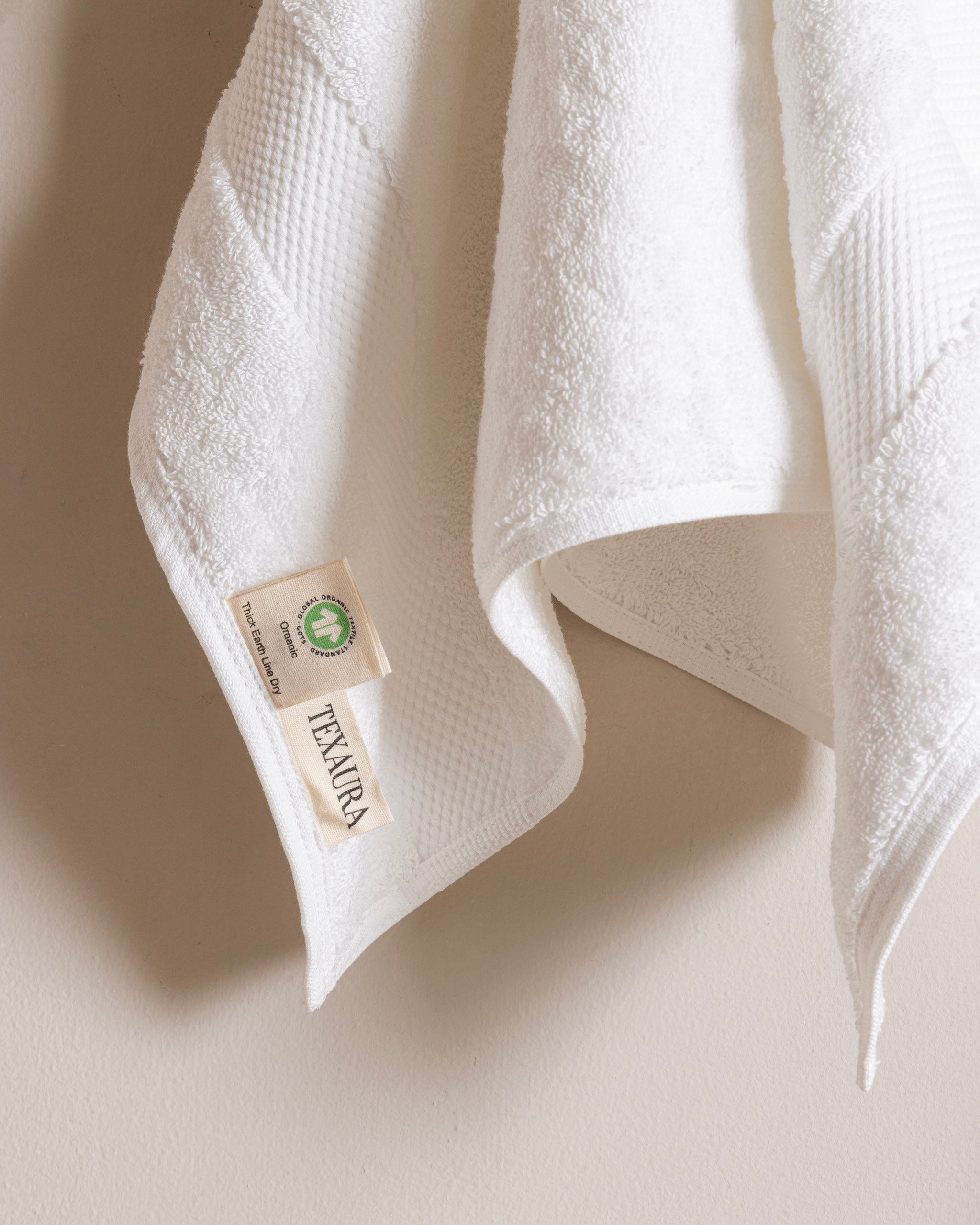
- Look for GOTS certification — the global standard for organic textile production, from farm to finished product
- Choose a sateen weave for smoothness and natural drape, ideal for warm climates and sensitive skin
- Avoid fabric softeners — they coat the fibres and reduce the breathability that makes organic cotton worth choosing
- Wash cold and air dry — organic cotton maintains its integrity far longer with gentle care
Explore Texaura's organic cotton flat sheets — GOTS-certified, sateen woven, and designed for the kind of sleep your body has been asking for.

Written by Texaura India