


5 Signs It’s Time to Replace Your Bedsheets
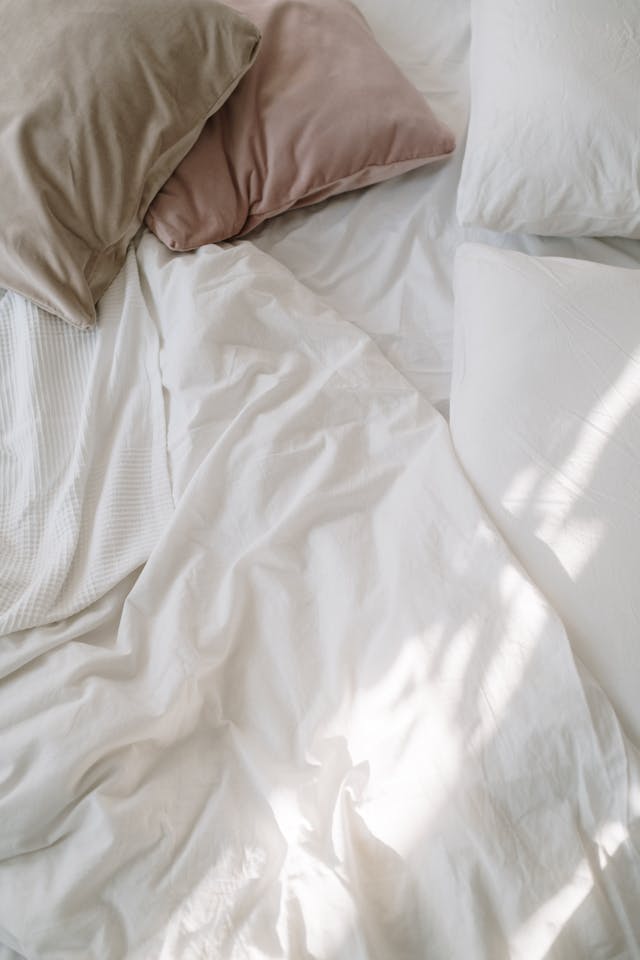
Your bed is more than a place to sleep. It is a sanctuary for rest, comfort, and well-being. But even the finest bedsheets don't last forever.
If you have been wondering whether it is time for a refresh, here are five telltale signs that your sheets are ready to retire — and what to do about it.
1. They Have Lost Their Softness
Over time, even high-quality cotton can start to feel rough or scratchy due to frequent washing, detergent buildup, or general wear. If your sheets no longer feel inviting against your skin, they may be past their prime.
This is especially common with sheets that use fabric softeners regularly — softeners coat the fibres with a waxy residue that initially feels smooth but gradually clogs the weave, reducing breathability and making the fabric feel stiff and heavy over time.
What to do: Switch to a mild, toxin-free detergent and wash cold. If the roughness persists after a few washes, the fibres have broken down, and replacement is the right call. Organic cotton sheets, like Texaura's, maintain their softness considerably longer — but should still be replaced every 18 to 24 months depending on usage.
2. You Notice Fading or Discolouration
Sunlight, sweat, and repeated washing can dull the colour of your bedsheets. If they look tired, uneven, or mismatched with your bedroom, it is a subtle cue that they have been through enough.
Fading is not just a cosmetic issue. It often indicates fabric breakdown at a fibre level — meaning your sheets are no longer performing the way they were designed to. A faded sheet that once felt crisp will now feel limp and thin to the touch.
What to do: Dry in shade rather than direct sunlight to extend colour life. For sheets already significantly faded, it is time to replace rather than restore.
3. They Have Developed Thinning or Tears
Small holes, thinning patches, or frayed edges are a clear sign that the integrity of the fabric is compromised. This will only worsen with every wash cycle, and thinning fabric offers less insulation, less comfort, and less hygiene protection.
Pay particular attention to the centre of the sheet — the area that bears the most friction night after night. This is usually where thinning begins, often before it becomes visibly obvious.
What to do: Natural fibres wear out more gracefully than synthetics, but they still need replacement. Do not wait for a full tear — thinning fabric is the signal. A sheet that has reached this point has served its purpose well.
4. You Are Not Sleeping as Well
Your sleep environment plays a significant role in how you feel each morning. If you are tossing and turning more often, waking with skin irritation, or experiencing unexplained allergies, your bedsheets could be a contributing factor.
Old sheets — particularly those made from synthetic or non-breathable materials — can harbour dust mites, sweat residue, and allergens. Even with regular washing, fibres that have broken down at a microscopic level trap particles that a fresh sheet would simply shed.
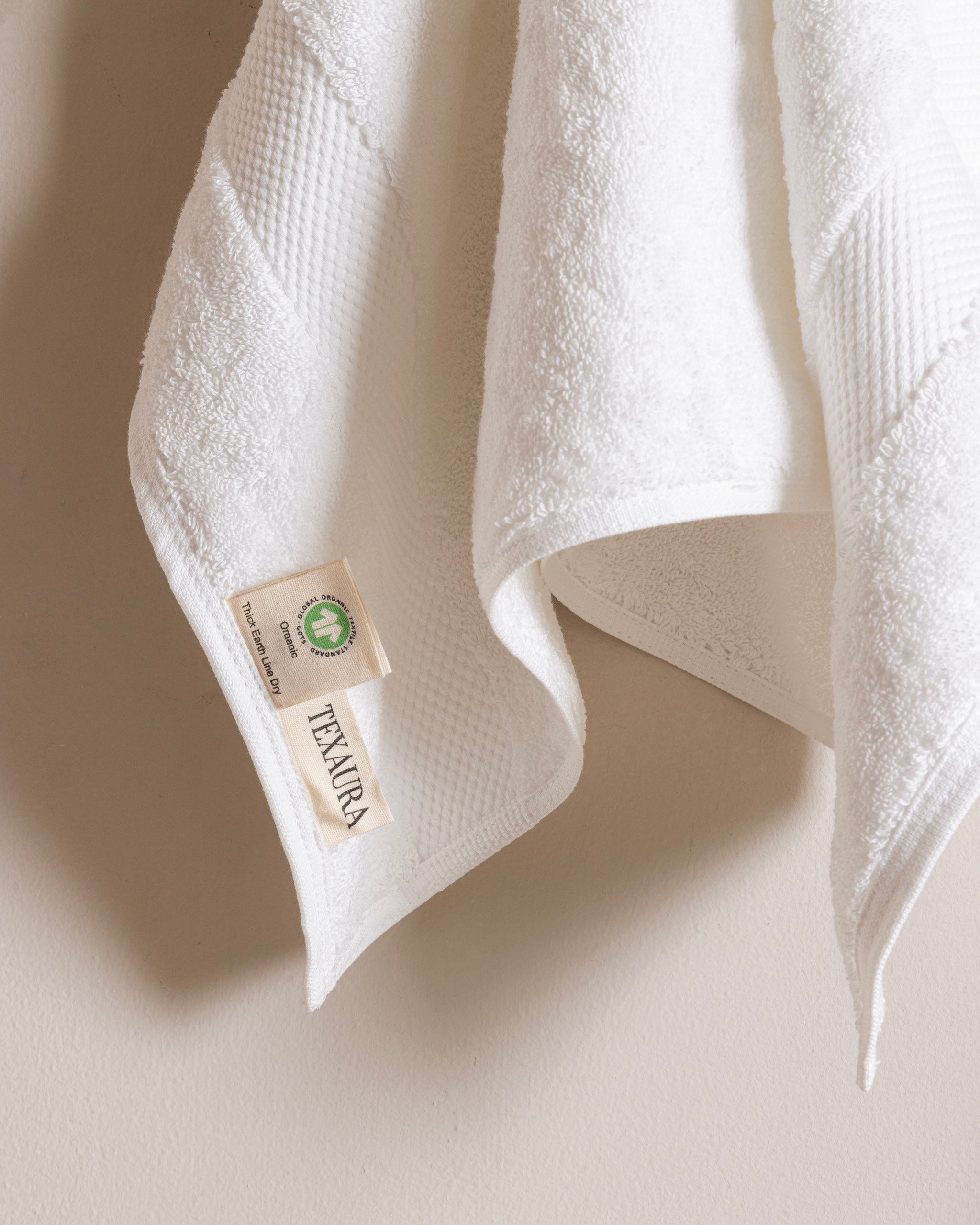
What to do: Replace sheets and switch to GOTS-certified organic cotton, which is naturally hypoallergenic and breathable. The difference in sleep quality after a fresh set of organic sheets is often noticeable within the first few nights.
5. They No Longer Feel Like a Luxury
You know that feeling — sliding into a freshly made bed with crisp, soft sheets after a long day. If that moment no longer brings a quiet sense of pleasure, it is a sign worth listening to.
Bedding should feel like a ritual, not a routine. When your sheets stop contributing to that feeling, they have fulfilled their lifespan. There is no guilt in replacing something that has genuinely served you well.
What to do: Switching to certified organic, chemical-free sheets is not just a tactile upgrade — it is a shift toward conscious, intentional living. The kind of quiet luxury that does not announce itself but is felt every single night.
How Long Should Bedsheets Last?
As a general guide, sheets used daily should be replaced every 18 to 24 months. Sheets rotated across two or three sets can last up to three years. The quality of the original fabric matters — long-staple organic cotton will outlast short-staple conventional cotton by a meaningful margin, and will remain softer throughout its life.
Washing frequency also plays a role. Sheets washed weekly in cold water with a gentle detergent will last significantly longer than those washed in hot water with harsh chemicals.
Ready for a Refresh?
At Texaura, we craft bedsheets that are gentle on your skin, kind to the earth, and timeless in design. If your current sheets are showing any of these signs, consider it an invitation to rest better, sleep deeper, and live with a little more intention.
Explore the Quintessential Flat Sheet Collection and find the sheet your bedroom has been waiting for.

Written by Texaura India