




Sleep Easily – Sleep Healthy
Sleep is not a luxury. It is a biological necessity — as vital as nutrition and movement.
In today's always-on Indian lifestyle — late dinners, screen exposure, urban noise, rising stress — quality sleep is quietly becoming one of the most compromised pillars of health. Yet research consistently shows that restorative sleep directly impacts immunity, metabolic health, cognitive performance, and emotional balance.
How well you sleep shapes how well you live. It is that direct.
What Does Healthy Sleep Actually Look Like?
Sleep quality is not just about hours in bed. True restorative sleep typically shows up as falling asleep within 10 to 20 minutes of lying down, sleeping consistently for 7 to 9 hours, waking up feeling naturally refreshed, and sustaining energy and alertness through the day without relying on caffeine to function.
If any of these feel out of reach on a regular basis, your sleep environment may be working against you — quietly, night after night.
The Often-Ignored Sleep Environment
Most people focus on the mattress first. Few optimise the full sleep ecosystem. For Indian homes — especially in warmer and more humid climates — sleep comfort depends on several factors working together:
- Room temperature: ideally between 22 and 25°C — cool enough for the body to initiate its natural temperature drop
- Light control: a dark, low-glare environment that signals the brain to produce melatonin
- Noise levels: minimal disturbance, or consistent ambient sound rather than intermittent disruption
- Breathable, skin-friendly bedding: the most underestimated lever, yet the one in direct contact with your skin for the entire night
Among these, bedding is the factor most people never question — and the one that, when changed, often produces the most immediate difference.
Why Bedding Quality Matters More Than You Think
Your body naturally lowers its core temperature as it transitions into sleep. Non-breathable fabrics interfere directly with this process — trapping heat and moisture against the skin, which can lead to night sweating, frequent micro-awakenings, skin irritation, and restless, fragmented sleep cycles.
This is particularly relevant in India's tropical and semi-tropical climates, where the challenge is not staying warm but staying cool and dry through the night.
Even with the right mattress and pillow, your bedsheet remains the first and most constant point of contact with your body. It is worth choosing with the same care.
Cotton vs Synthetic: What Works in Indian Conditions
Synthetic fabrics may appear smooth initially, but they typically lack breathability. In humid or warm weather, they trap heat and moisture against the skin — the opposite of what the body needs during sleep.
High-quality cotton, by contrast, is naturally breathable, skin-friendly, moisture-absorbing, and durable with proper care. This is why premium hospitality — globally and increasingly across India — continues to rely on quality cotton bedding. The choice is not aesthetic. It is functional.
You can read more about how fabric directly affects the science of sleep in our piece on why your bedsheets could be the missing link to better sleep.
The Organic Cotton Difference — Explained Honestly
At Texaura, we believe customers deserve clarity rather than marketing myths. So here is an honest account of what organic cotton actually offers.
What genuinely improves with certified organic cotton:
- Absence of harmful pesticide residues — better for the farmer, the environment, and the person sleeping in it
- Meaningfully lower environmental impact at the cultivation stage
- Often longer-staple fibre sourcing in premium certified programmes directly affects softness and durability
- Skin comfort for sensitive users, particularly those prone to dermatitis or allergic reactions
What does not automatically happen:
- Organic cotton is not inherently dust-mite proof
- Softness depends more on fibre quality and weave construction than on certification alone
- Thread count does not define comfort — fibre length and weave type do
This level of transparency is central to the Texaura philosophy and to The Honest Standard we hold ourselves to. We would rather tell you what our product does not do than oversell what it does.
The Texaura Approach to Better Sleep
Texaura was built on a simple belief — that something as everyday as your bedsheet can meaningfully transform how your space and your sleep feel.
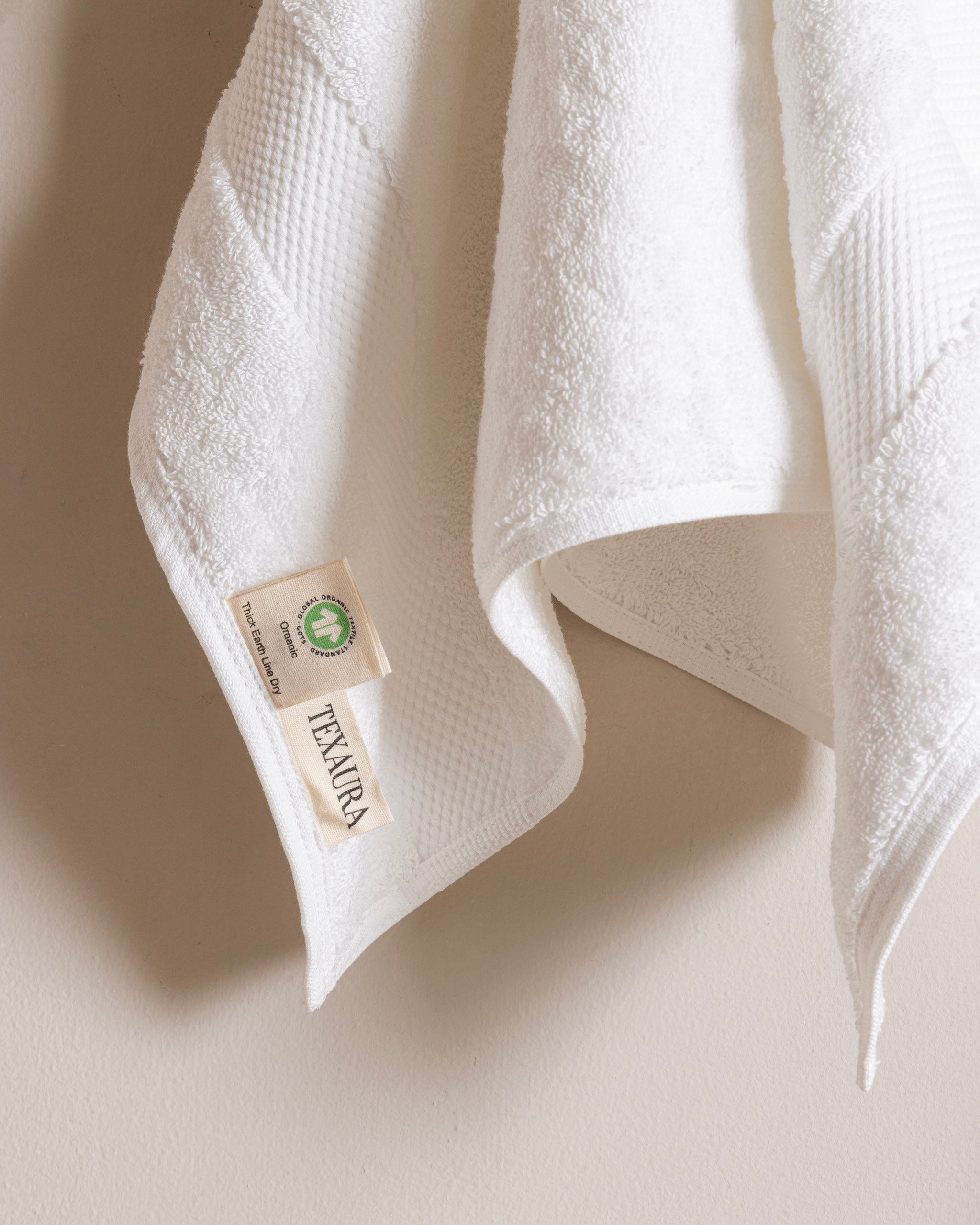
For the Indian consumer seeking quiet luxury and everyday comfort, our focus is straightforward: premium long-staple cotton sourcing, GOTS-certified inputs, a breathable sateen weave engineered for Indian climates, minimal and timeless design, and ethical manufacturing in audited facilities.
Our Quintessential Flat Sheet collection is designed not just to look refined but to perform — night after night, in real Indian homes, across every season.
If you are ready to take your sleep environment seriously, our piece on why sleep wellness is the new luxury is a good place to continue.
Small Upgrade. Meaningful Impact.
Better sleep rarely comes from one dramatic change. It comes from thoughtful improvements made across the full environment — temperature, light, routine, and the fabrics that touch your skin every night.
Start with what stays closest to you for eight hours. It is a small change. The difference it makes is not.
Explore the Quintessential Flat Sheet collection — breathable, GOTS-certified, and designed for the way India actually sleeps.

Written by Texaura India